Cavolfiori al pomodoro alla napoletana (Cauliflower with tomatoes, from Naples)


A basic and yet rewarding dish from Naples, almost embarrassing in its simplicity. It comes from the splendid La Cucina Napoletana, the book that is considered the bible of Neapolitan cooking, written by Mrs Jeanne Carola Francesconi in 1965 – if you read Italian, you must get it.

I long resisted cooking this, as it always did sound too elementary. Can cauliflower florets cooked with tomatoes  be only few notches way from boring? Continue reading “Cavolfiori al pomodoro alla napoletana (Cauliflower with tomatoes, from Naples)”

Grano al sugo di pomodorini (wheat berries with cherry tomato sauce from Apulia)

A simple and tasty recipe from Puglia, the heel of Italy: wheat berries boiled till al dente and then simmered in a cherry tomato sauce, with garlic, chilly pepper and parsley. Straightforward and delicious. I prefer using semi-polished berries here, the ones that have had the outer, inedible husk removed but with some of the bran still attached. I also tried cooking with whole grain berries in the past I have always found them boring and far too chewy. If you soak the berries the night before, the cooking time will be very short indeed. Continue reading “Grano al sugo di pomodorini (wheat berries with cherry tomato sauce from Apulia)”

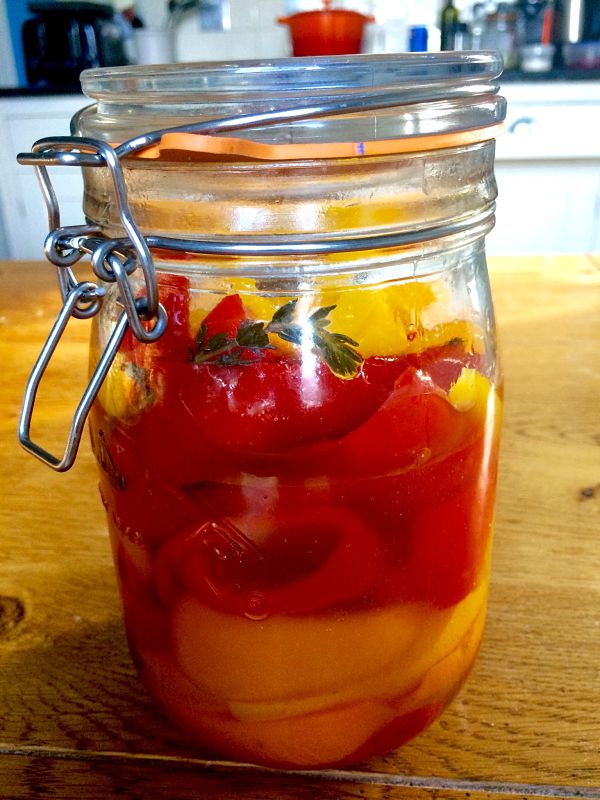
Peperoni in agrodolce + insalata di rinforzo – sour sweet peppers and a Neapolitan cauliflower salad

I am a sucker for sottolii and sottaceto, i.e. all things (generally vegetarian ) preserved in vinegar or oil :  with a hunk of bread & some cheese  I could easily lunch on them every day.
These sour sweet peppers are amongst my favourites: quick and easy, not too sharp, excellent to eat and beautiful to look at. Continue reading “Peperoni in agrodolce + insalata di rinforzo – sour sweet peppers and a Neapolitan cauliflower salad”

La sfoglia con 40 tuorli – 40 yolk pasta dough (Piedmontese cooking)

IMG_4551_opt

When making fresh egg pasta, the most common ratio is 1 egg for every 100 g flour. However,  the sfoglia (that is the name of the pasta dough in Italian) can be  as rich/lean as the cook wants. I was recently reminded of this whilst browsing a little book about traditional Piedmontese cooking , Ricette di Osterie di Langa,  published by Slowfood few years ago. Continue reading “La sfoglia con 40 tuorli – 40 yolk pasta dough (Piedmontese cooking)”