
Update 2023: here in London, we can now buy fairly good cow ricotta, freshly made every day from Eataly, in Bishop’s gate. I can also recommend sheep ricotta made in Yorkshire by Yorkshire Pecorino (they deliver nation wide). If you live in London, you can order sheep ricotta from Sicily (giving plenty of notice) from my local Italian deli in Highbury Barn, called Da Mario. Having said all this, I still prefer to make my almost ricotta when I need it and occasionally I succumb to the supermarket variety.
_____________________________________________________________________________
One of the foods I miss most from Italy is fresh ricotta – the real deal of course, not the industrial type which I can get also here, a tasteless and pappy substitute. Fresh ricotta is another thing altogether: sweet, milky and light, creamy and yet not insubstantial: with a sprinkle of sugar or with a drizzle of olive oil, it is culinary nirvana. Here in the UK, even in London, fresh ricotta is still very hard to come by: I tried the Neal’s Yard’s one (made in England) and I was not impressed, but I also saw beautiful looking Italian fresh ricotta at Gastronomica, in Borough Market (I was told it is flown in every few days).
Because it’s so hard to find good ricotta in the UK, many years ago I started making “home made ricotta” – though it is actually nothing more than fresh cheese: milk coagulated with some acid (lemon juice, vinegar, rennet, citric acid the most common) . Continue reading “Ricotta al caffè (coffee ricotta cream and tips on home-made “ricotta”)” →
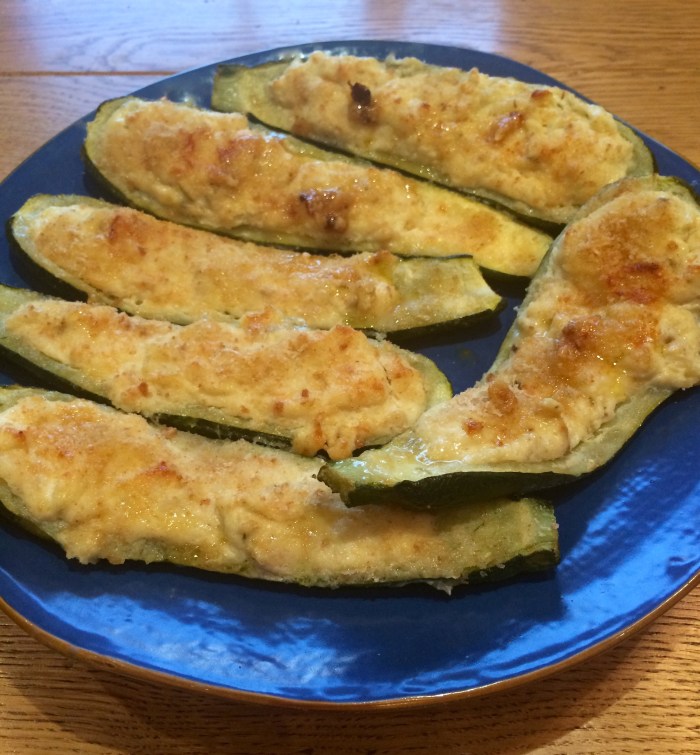


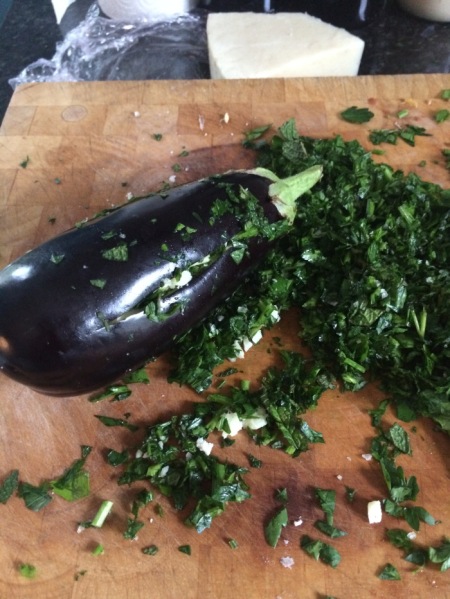
 A delicious, “culinary joke” from Sicily. Mulinciani ‘mbuttunati is a typical summer dish of whole aubergines cooked in tomato sauce, with a twist though. A deep slit is made into the aubergine belly (turning it into a “button hole”) and the usual suspects of much Southern Italian cooking are inserted into it, garlic, pecorino cheese, basil/mint (the “buttons”). Here you have it: buttoned up aubergines!
 Italian home cooking