La pastiera (Easter Neapolitan sweet pie with wheat and ricotta)

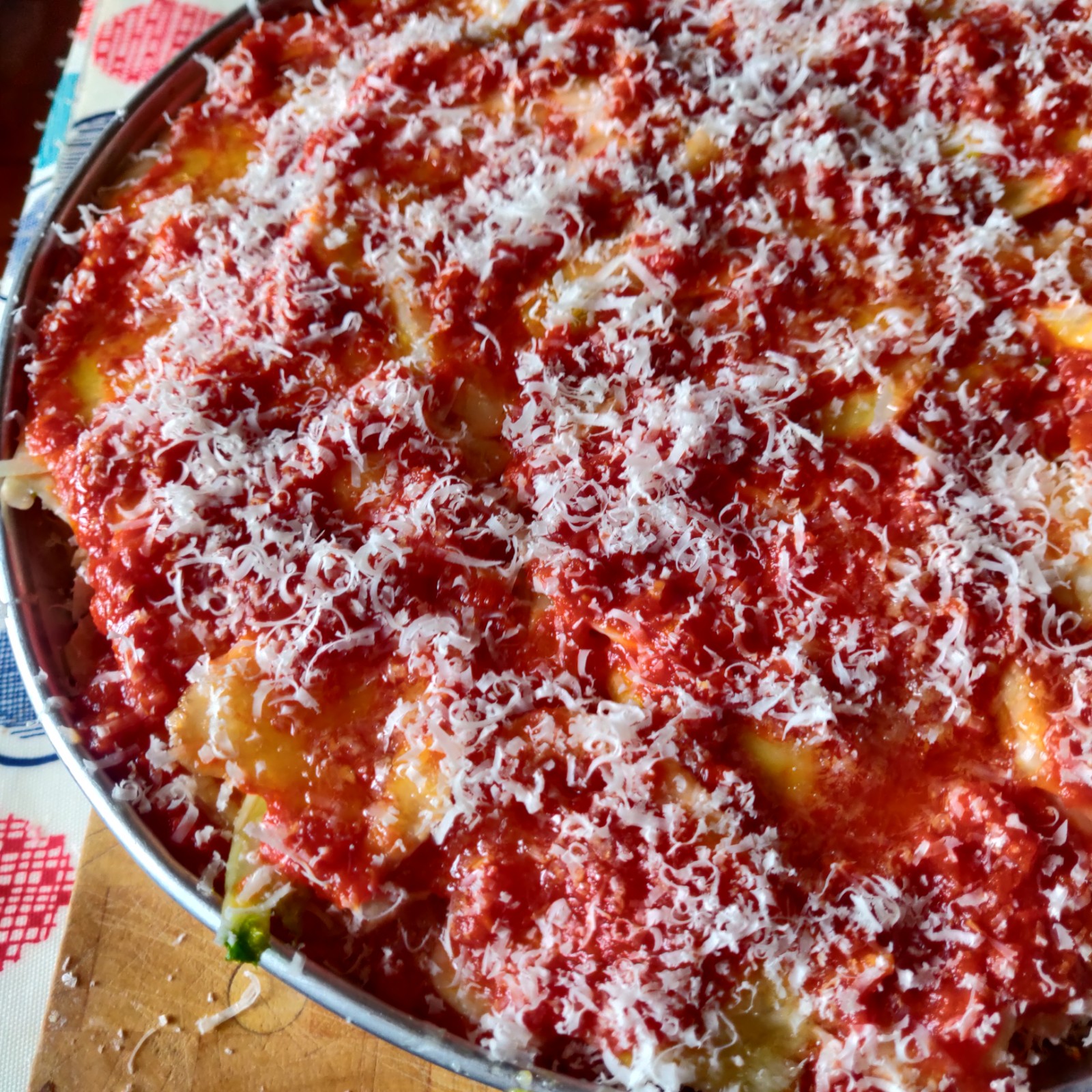
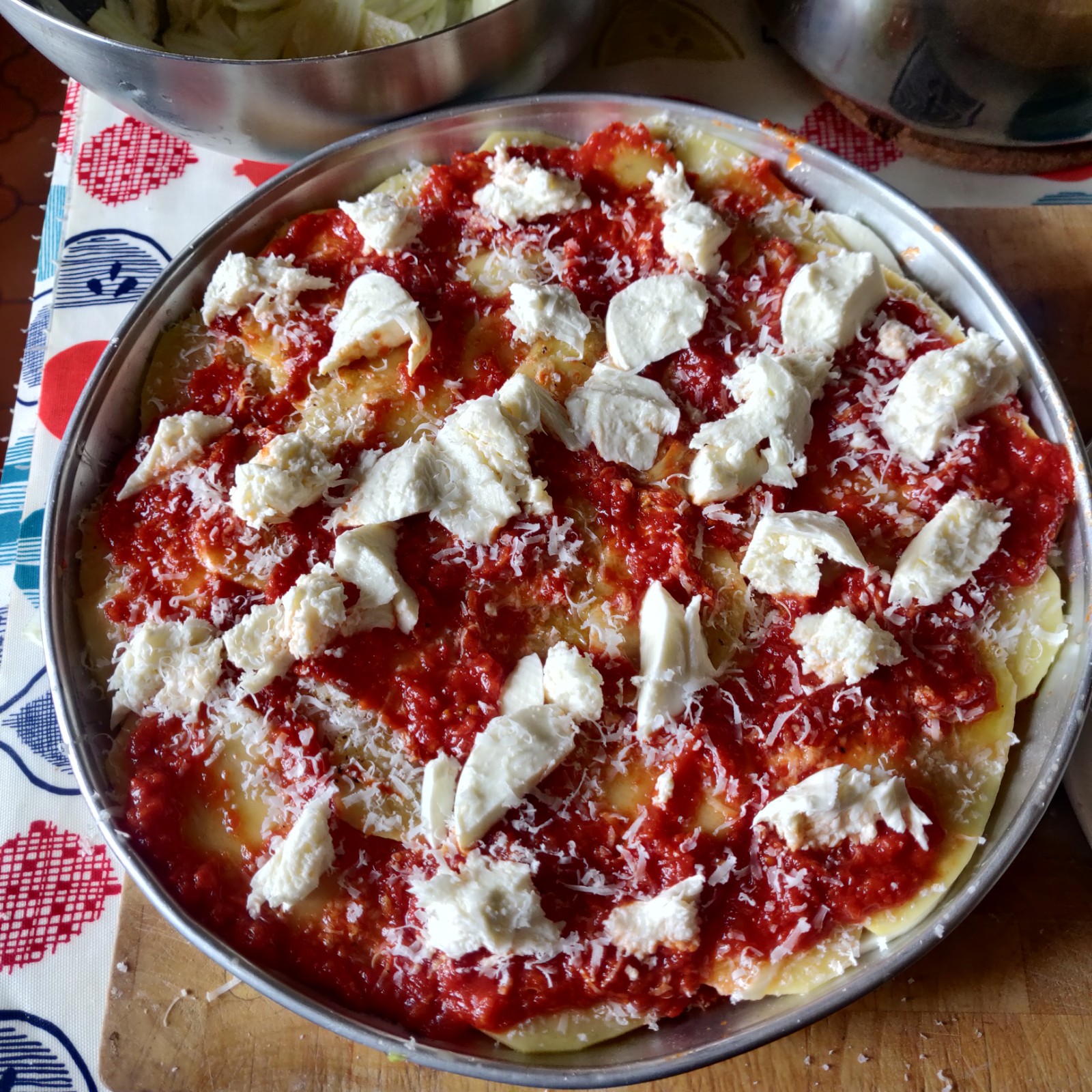
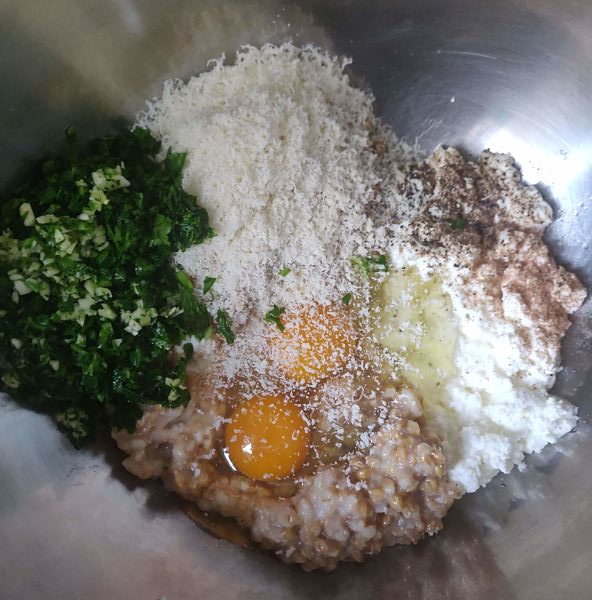
In Campania, no Easter would be conceivable without pastiera, a wonderful cake that exemplifies Southern Italy cooking at its best. It is decadent, generous, refined and simple at the same time. A rich and crumbly pasta frolla (sweet pastry),  plump soft wheat berries cooked to a cream in milk, sweet snow-white ricotta, eggs, exotic orange flower water, and bright candied citrus peels that bring the sunshine of the costiera into your home. Impossible to resist – but then why should you? Continue reading “La pastiera (Easter Neapolitan sweet pie with wheat and ricotta)”

Ragù alla bolognese in pentola a pressione (pressure cooker Ragù Bolognese, even better than the conventional one)

Ragù

UPDATE September 2022: please check the end of this post

In her last book, even the arch-traditionalist Marcella Hazan said that making  egg pasta dough in the  food processor is fine. She was  finally acknowledging what home cooks and restaurant chefs had probably been doing for a long time, but it was also testament to her intelligence: food and cooking must evolve to stay alive. It would be foolish to ignore that cooking is an ever changing reality that resists being imprisoned in dogmas: we do not eat, cook or think about food one year for the other.

As much as I love traditions and traditional food, I am also very open to “new ways” in the kitchen, as long as they make my life easier and/or my food better. The pressure cooker is a good example. Continue reading “Ragù alla bolognese in pentola a pressione (pressure cooker Ragù Bolognese, even better than the conventional one)”

Asparagi in fricassea (Asparagus in an egg and lemon sauce, fricassea-style)

In Italian cookery terms, when you cook something “in fricassea”, it means that you add egg yolks that you have already mixed with lemon juice to a hot, cooked dish, at the very end, generally off the heat. The yolks thicken and become a velvety, lemony sauce that enrobe the other ingredients. The trick, obviously, is not to scramble them.It is a Northern Italian cookery technique that always delivers a subtle elegance to the final dish.
Typically, it is rabbit, veal, chicken and lamb, that are cooked “in fricassea” , the meat first being braised “in bianco”, without tomatoes. 
Some vegetables too can be cooked “in fricassea”: artichokes, peas, mushrooms, carrots, courgettes, broad beans and asparagus.

Continue reading “Asparagi in fricassea (Asparagus in an egg and lemon sauce, fricassea-style)”

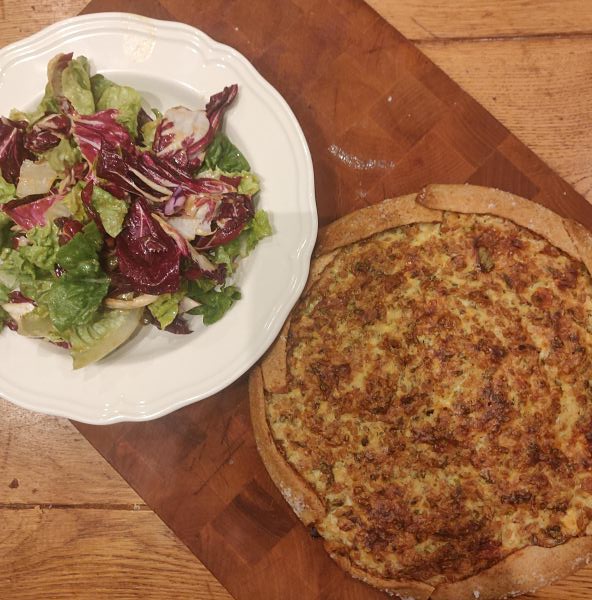
Torta di farro della Garfagnana (emmer savoury pie from Garfagnana)

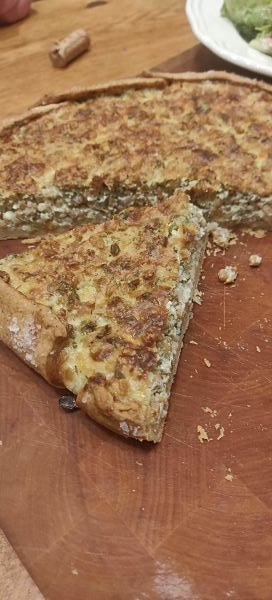
A savoury pie typical of Garfagnana and Lunigiana, those mountainous areas in between North Tuscany, South Liguria and west Emilia Romagna, sparsely populated, traditionally poor (hence their rather sombre style of cooking), thickly covered in chestnut tree woods (hence the many dishes based on chestnuts, once called “the bread of the poor”, because they were free and highly nutritious) and where mushrooms and wild boars are still abundant. It is farro, however, or emmer (Triticum dicoccum), a type of wheat, that is perhaps the most celebrated produce of this part of Italy.

Continue reading “Torta di farro della Garfagnana (emmer savoury pie from Garfagnana)”

‘Ndunderi di Minori, nella costiera amalfitana (ricotta gnocchi from Minori, on the Amalfi coast)

A rather difficult name for an easy peasy pasta: ‘ndunderi are ricotta and pecorino cheese gnocchi from Minori,  on the Amalfi coast. These cheesy morsels are firmer than potato gnocchi but positevly tender and are a cinch to make.  They go back centuries: in fact they are said to be deriving from the little pasta balls of farro flour (spelt) and soured milk that the ancient Romans used to make. Continue reading “‘Ndunderi di Minori, nella costiera amalfitana (ricotta gnocchi from Minori, on the Amalfi coast)”